
Grinding Your Teeth at Night? A Nightguard Can Help
Waking up with jaw soreness, tooth sensitivity, or frequent headaches may seem unrelated at first. If you have been searching for how to stop grinding teeth at night, then you might come to know that these symptoms are often linked to teeth grinding during sleep, also known as bruxism. Because it happens unconsciously, many people do not realize they have this condition until it begins affecting their comfort or oral health. Over time, repeated grinding can wear down enamel, strain the jaw, and even affect the way your teeth fit together. Recognizing early warning signs and understanding available solutions can help protect your smile and prevent long-term complications.
Understanding Teeth Grinding
Teeth grinding takes place when the upper and lower teeth press together with force, usually during sleep. This pressure may happen in short bursts or continue throughout the night. Since the habit is involuntary, it often goes unnoticed until visible damage or discomfort develops.
Bruxism can impact both adults and kids, although the causes and severity may vary. In adults, it is more commonly linked to stress or sleep disturbances, while in children, it may be temporary and related to growth or development.
Over time, this repeated pressure can lead to several changes in the mouth:
- Flattened or worn tooth surfaces
- Small cracks or chips in enamel
- Increased sensitivity to hot or cold
- Tight or fatigued jaw muscles
- Changes in bite alignment
If left unmanaged, these effects may lead to more complex dental concerns that require restorative treatment.
Common Reasons Behind Nighttime Grinding
Teeth grinding is rarely caused by a single factor. It is usually the result of a combination of physical, emotional, and lifestyle influences.
Stress and Emotional Tension
Stress is one of the most common contributors to bruxism. When the body is under tension, the jaw muscles may remain active even during sleep.
Sleep-Related Conditions
Sleep disorders, like sleep apnea, are often related to grinding. Interrupted breathing patterns can trigger muscle activity, including clenching and grinding.
Bite or Alignment Concerns
An uneven bite may cause the jaw to shift into a position that increases friction between teeth. This can lead to grinding over time.
Daily Habits and Stimulants
Certain lifestyle habits can elevate the likelihood of bruxism:
- Drinking caffeinated beverages late in the day
- Consuming alcohol in the evening
- Smoking or using tobacco products
Medication Side Effects
Some medications can affect muscle activity or sleep patterns, which may contribute to nighttime grinding.
Since the causes can vary, identifying the right teeth grinding treatment options often involves evaluating both dental health and lifestyle factors.
Signs That Should Not Be Ignored
Since teeth grinding happens during sleep, many people first notice the effects rather than the habit itself. Paying attention to these indications can help prevent further damage.
Common Symptoms
- Jaw soreness or stiffness upon waking
- Frequent headaches, especially around the temples
- Tooth sensitivity without visible decay
- Clicking or discomfort in the jaw joint
- Disrupted or restless sleep
In various cases, a partner or family member may hear grinding sounds at night before symptoms become noticeable.
Ignoring these signs may allow the condition to worsen. An evaluation by a dentist in Clovis, CA, can help confirm whether grinding is occurring and identify the best way to manage it.
How a Nightguard Helps
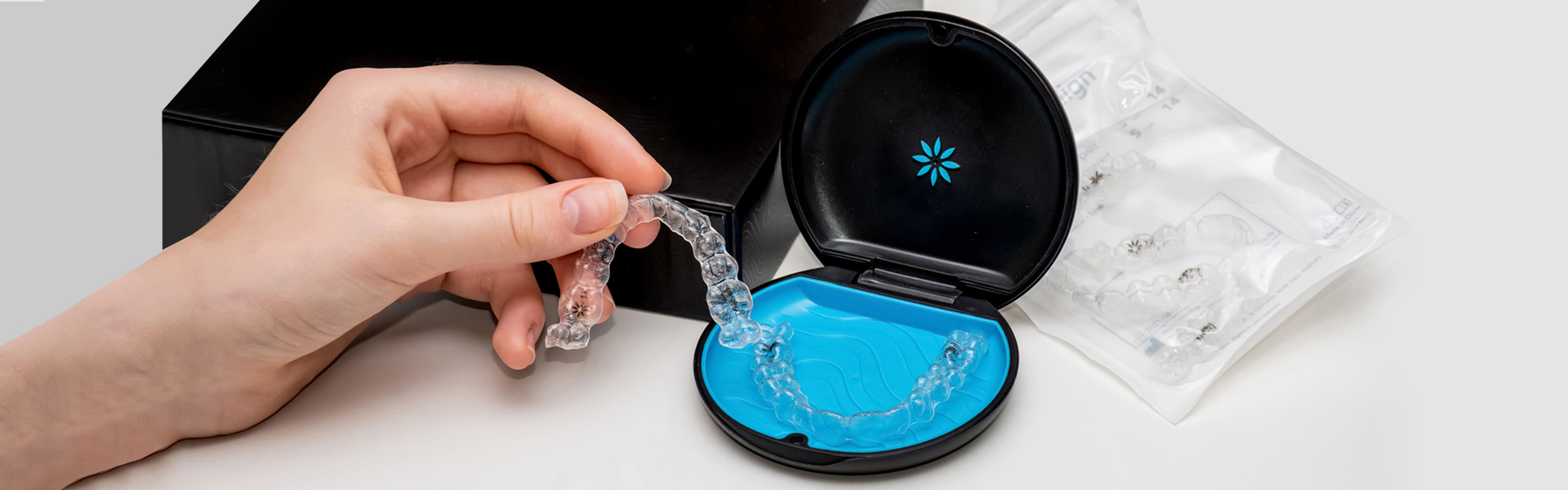
A nightguard is a dental device used during sleep to safeguard the teeth from the effects of grinding. It serves as a buffer between the upper and lower teeth, decreasing direct contact and lessening potential damage.
A custom nightguard for teeth grinding is created to match your bite, allowing for a comfortable and secure fit.
Helps Protect Your Smile
- Reduces pressure placed on teeth during grinding
- Prevents enamel wear and surface damage
- Helps relieve tension in the jaw muscles
- Lowers the risk of cracks, chips, and fractures
The Importance of a Proper Fit
Custom nightguards are made using impressions of your teeth. This ensures that the appliance fits securely and does not shift during sleep.
Store-bought options may feel bulky or uncomfortable, which can make them harder to use consistently. Patients searching for night guards near them often benefit from a custom-fitted option that provides better comfort and long-term protection.
Supporting Your Care Beyond a Nightguard
While a nightguard protects your teeth, addressing contributing factors can improve long-term outcomes and reduce grinding episodes.
Improving Daily Habits
- Limit caffeine intake in the evening
- Avoid alcohol close to bedtime
- Maintain a consistent sleep schedule
Managing Stress Levels
Simple relaxation techniques can help reduce muscle tension:
- Deep breathing exercises
- Gentle stretching before bed
- Mindfulness or meditation practices
Being Aware of Jaw Position
Maintaining a slight separation between your teeth and keeping your jaw relaxed throughout the day can help alleviate muscle tension.
Additional Dental Care
In some cases, your dentist may recommend other supportive treatments based on your specific needs:
- Dental crowns to protect worn teeth
- Orthodontic care to improve alignment
- Evaluation for sleep-related concerns
These approaches can complement the use of a nightguard and provide more consistent relief.
For those considering nightguards in Clovis, CA, a personalized approach allows adjustments over time to maintain effectiveness as dental needs change.
FAQs
Can teeth grinding damage my teeth permanently?
Indeed, continuous grinding can gradually erode enamel and potentially cause cracks or fractures if not addressed appropriately.
Is a custom nightguard necessary?
Custom nightguards are designed to fit your teeth precisely, which improves comfort and protection compared to over-the-counter options.
Does wearing a nightguard stop grinding?
It does not stop the habit itself, but it protects your teeth and reduces the impact of grinding.
How long should I use a nightguard?
Most people benefit from wearing it regularly, especially if symptoms continue over time.
Can lifestyle changes reduce teeth grinding?
Yes. Managing stress, improving sleep habits, and limiting stimulants can help reduce grinding episodes.
Final Thoughts
Teeth grinding during sleep can place ongoing stress on your teeth and jaw, even when it is not immediately noticeable. Over time, this repeated pressure can lead to discomfort and visible wear. Recognizing the signs early and taking steps to protect your teeth can help maintain both comfort and oral health. A custom nightguard offers a reliable way to reduce the effects of grinding while supporting long-term dental stability.
At Sylvania Dental – Clovis, treatment is overseen by a knowledgeable dental team dedicated to understanding the unique needs and worries of each patient. With a range of comprehensive dental services and a focus on the patient, care plans are crafted to provide immediate relief while also promoting long-term oral health.